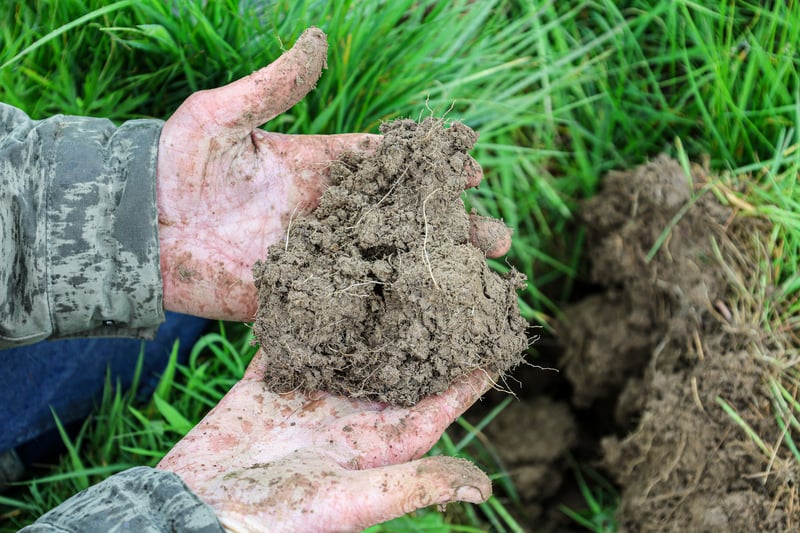
Rebuilding Britain’s soil for animals and nature
Blog
A third of the world’s soil has been lost. Farmers in Kent and Scotland show how restoring soil protects animals, nature and our food future.
Soil might not look exciting, but it is one of the most important things on Earth. It grows our food, stores carbon, holds water, and supports wildlife. Yet around the world, a third of our topsoil has been lost in the last century. The United Nations has warned that, if this continues, we could have only about 60 harvests left.
The good news? Some farmers in Britain are turning this around.
At Romshed Farm in Kent, cattle are moved to fresh grass every day. The fields are then left to rest and recover. This simple change has made a big difference.
Soil that was once hard and dry is now darker, softer, and full of earthworms. In just five years, the amount of organic matter in the soil has more than doubled. That means the soil can store more carbon from the air, hold more water during heavy rain, and stay moist for longer in dry weather. Healthier soil also means healthier grass — and healthier animals.
Trees are helping too. At Brodoclea Woodland Farm in Scotland, pigs live in woodland areas. They root around in the soil, breaking down fallen leaves and helping nutrients return to the ground. Unlike heavy ploughing, which can damage soil, this natural behaviour supports a rich mix of plants, insects, and microorganisms.
Healthy soil doesn’t just help farmers. When soil can absorb rain properly, it reduces flooding in nearby towns. When it holds water well, farms cope better during droughts. And when soil is rich and balanced, farmers need fewer artificial fertilisers, which means less pollution in rivers and streams.
Restoring soil is also one of the most practical ways to tackle climate change. Farmland across the UK has the potential to store large amounts of carbon if managed in nature-friendly ways. Perhaps most encouraging of all, improvements can happen quickly. Farmers often see healthier grass and more wildlife within a single growing season. Instead of soil getting worse year after year, it can steadily improve.
For anyone who cares about animals, nature, and the future of our food, rebuilding soil offers real hope. When we protect the ground beneath our feet, we protect everything that depends on it.
Read more about a Just Transition for UK farming
-
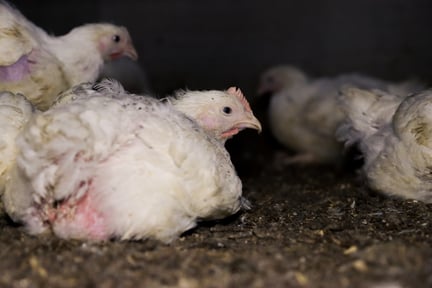
Bad news for chickens as companies drop Better Chicken...
Blog
18 companies have dropped the Better Chicken Commitment, stepping back from key welfare standards for millions of chickens.
-
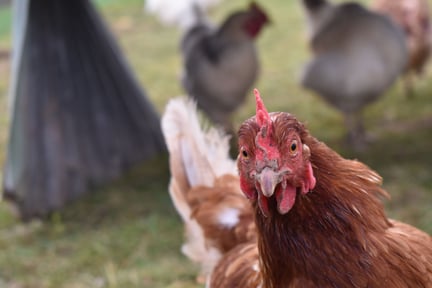
Healthy farmers, healthy animals – why a just transition...
Blog
Explore how farmer wellbeing and animal welfare are connected, and why a just transition in UK farming is...
-
Biodiversity collapse threatens UK food security, report warns
News
A new assessment has warned that the accelerating destruction of nature is no longer just an environmental issue,...