Call for an end to cruel factory farming
Right now, in the UK, factory farming is inflicting untold misery on billions of animals. This immense cruelty isn’t ‘another place’ problem, it’s our problem.
World Animal Protection UK
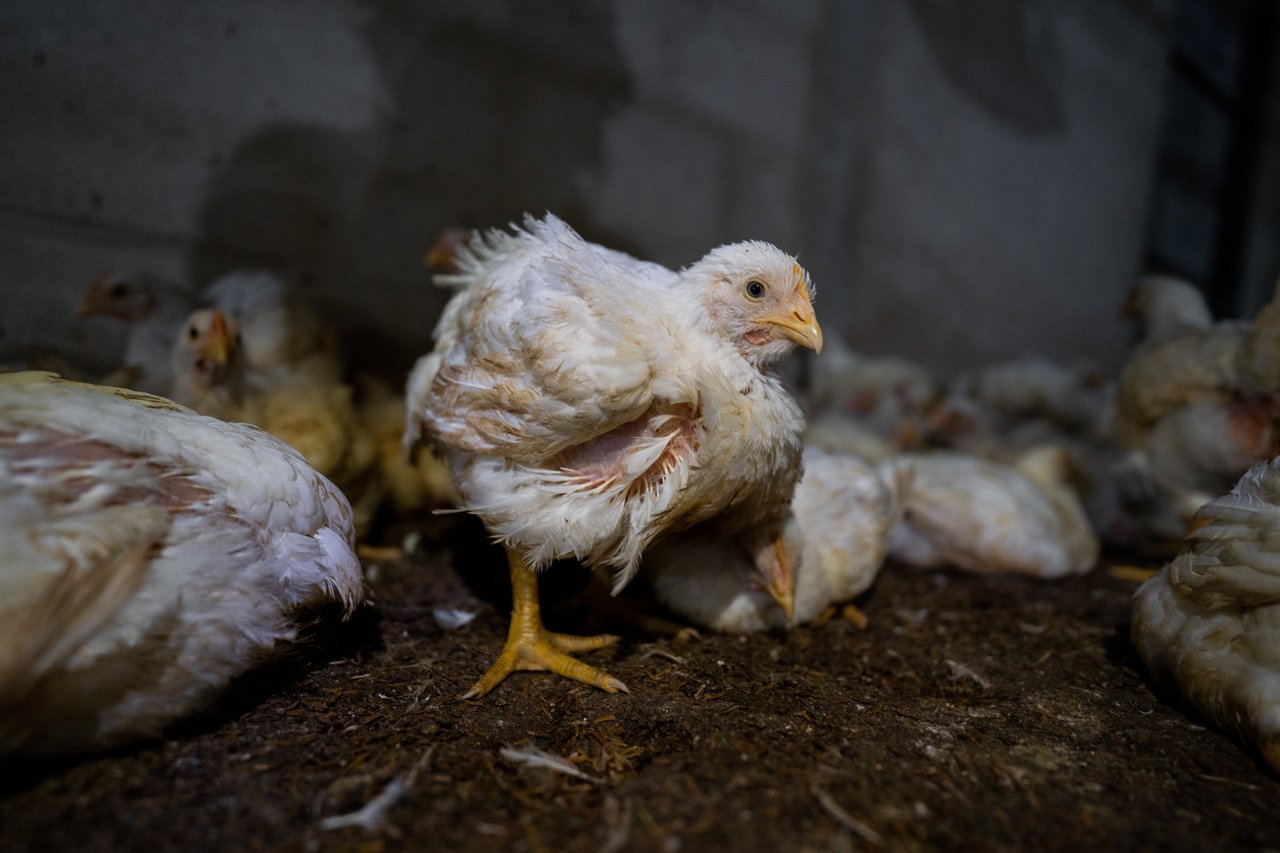
You have power and we’re here to help you stop it. Use this guide to understand the planning process, raise objections effectively, and protect your community, animals, and the environment.
Find planning applications on your local council's website using the reference number.

View the sample objection letter
Once the application is public and you’ve identified concerns, contact your local councillors to make them aware. Spread the word through flyers, social media, newsletters, or word of mouth to build support and gather objections.
This is your key opportunity to act. Submit your objection in writing to the planning authority, and follow up with councillors. If needed, request a review by the Scrutiny Committee — especially if you feel the application needs further investigation (e.g. traffic, environmental, or health impacts).
Planning officers review the application, public feedback, and local policy. This stage can take several weeks or months.
Officers prepare a report summarising their findings for the planning committee.
The committee meets to discuss and vote. You may be able to speak — register in advance, attend, and present your objections clearly and respectfully. Speaking time is usually limited to a few minutes.
Click here for more on how to prepare
The council announces whether the application is approved or rejected.
Your objection letter is your chance to make your case. Focus on both facts and personal impact. Here are strong points people often include:
Gathering community support is essential for influencing the outcome of a planning application. By creating a strong, unified voice against the factory farm, you increase the likelihood of having the application refused.

Raise awareness through social media, local newsletters, flyers, and a campaign hashtag.
Build a community group on platforms like Facebook or WhatsApp to share updates and coordinate actions.
Host local info sessions to help people understand the issue and get involved.
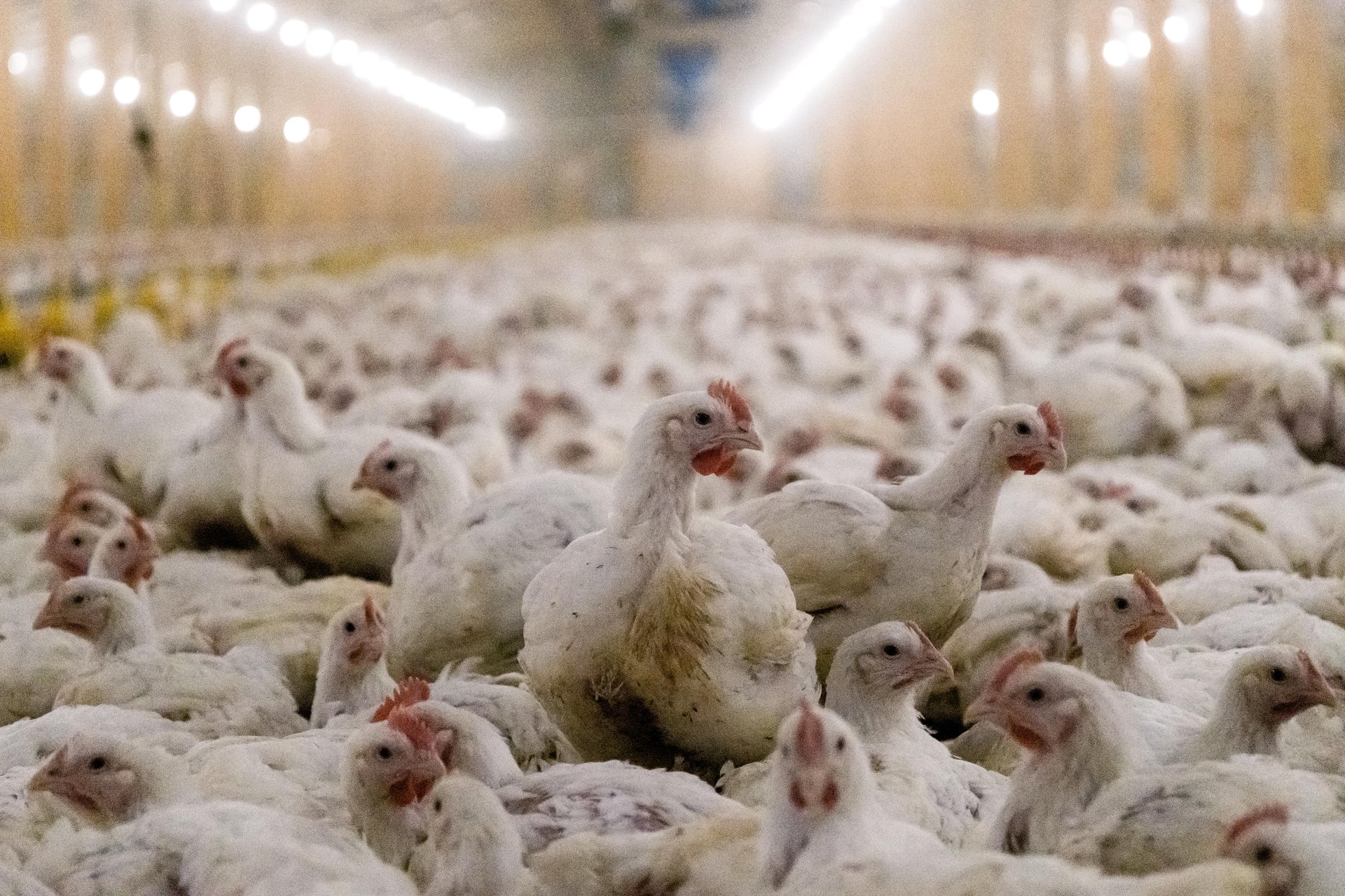
Confined in cruelty
Our food system faces unprecedented challenges, exacerbated by a lack of clear policy direction and government inaction.
Find out more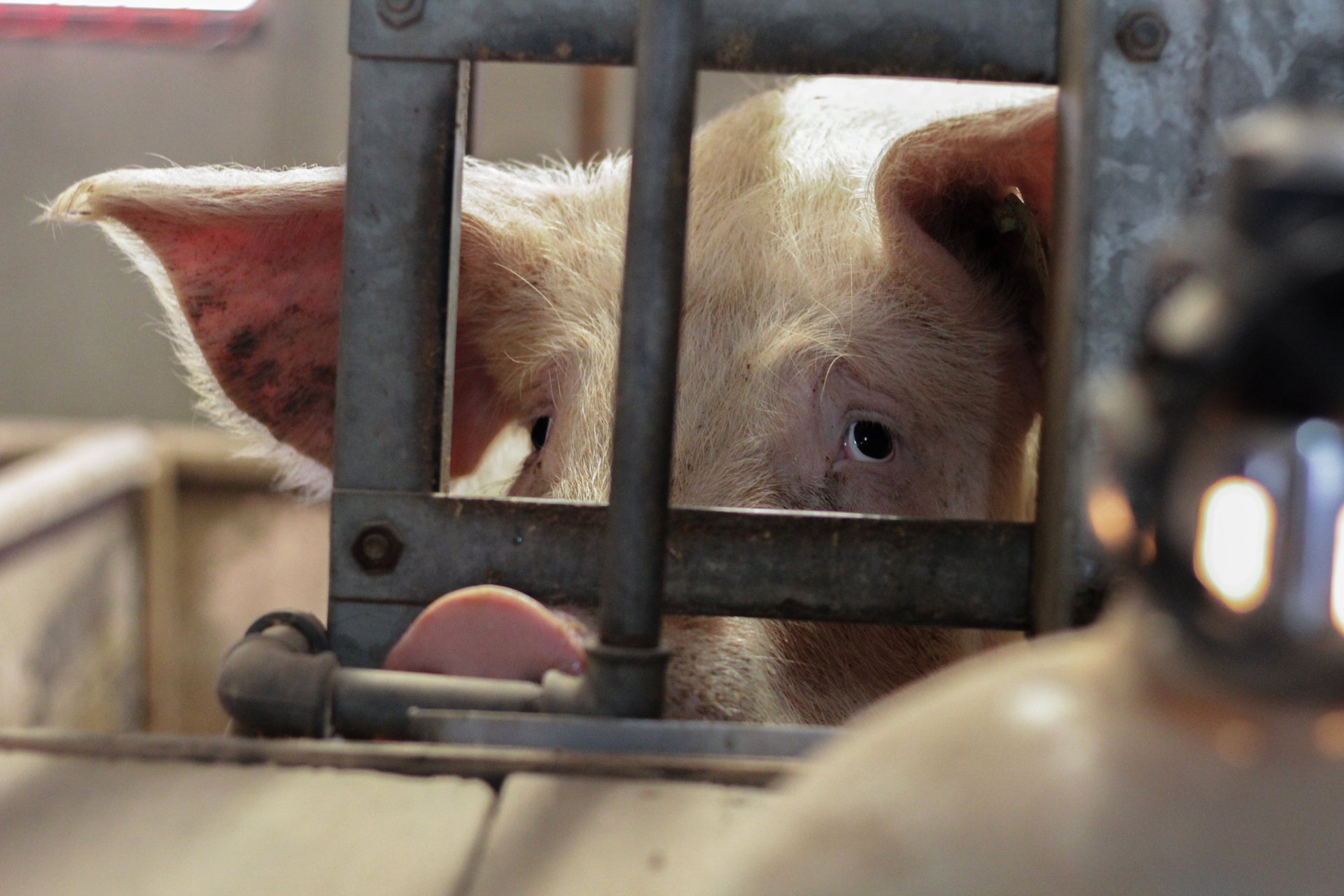
Health Impacts of Industrial Livestock
Factory farming is the cornerstone of a dangerous industrial food system that profits from the suffering of billions of cruelly farmed animals each year.
Find out more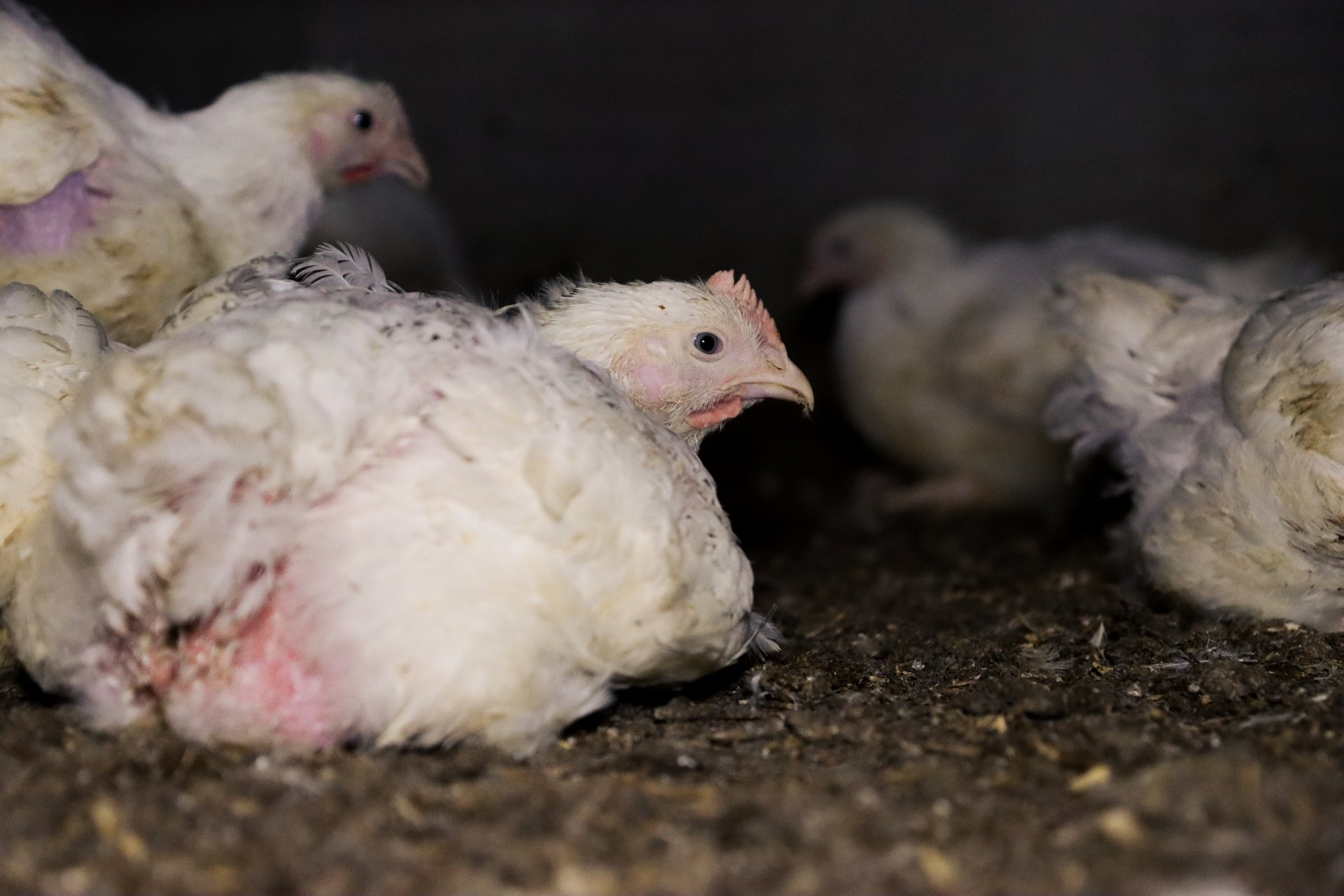
Superbugs on UK supermarket shelves
The UK uses more antibiotics in pig farming than other European countries and superbugs are becoming a real problem.
Find out more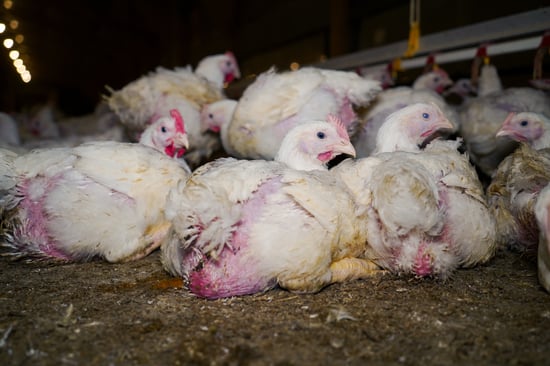
Right now, in the UK, factory farming is inflicting untold misery on billions of animals. This immense cruelty isn’t ‘another place’ problem, it’s our problem.
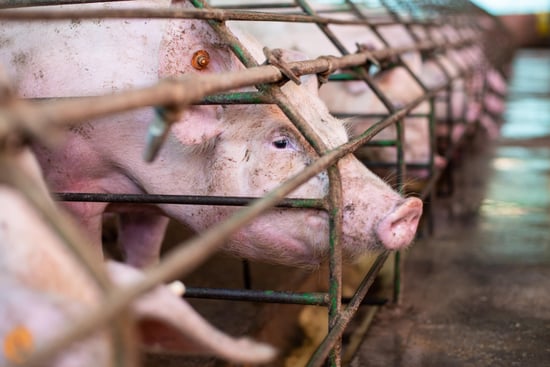
Barclays is the UK’s biggest investor in factory farming, using their customers’ money to pour billions into JBS, the world’s largest meat producer and one of the worst offenders for animal cruelty and environmental destruction.