Happier animals, healthier land and fairer food
Blog
The National Food Strategy for England recommends that we eat “less but better” meat, suggesting a reduction of around 30% by 2032 to support both health and environmental goals.
On paper, that makes sense. Eating less meat, but choosing higher welfare options, should be better for animals, better for the planet and better for us. The questions people often ask, though, are whether farmers can make a living this way and whether better food is something most people can realistically afford.
Across the UK, some farmers are already showing that it is possible
Instead of producing as much meat as possible at the lowest cost, these farmers are moving away from high-input, industrial systems and towards approaches that focus on animal welfare, land health and quality over volume.
At Brodoclea Woodland Farm in Scotland, where The Woolly Pig Company rears its pigs, around 160 Mangalitsa pigs live outdoors year-round across 430 acres of woodland. The pigs forage, root and move freely through the trees, helping to restore the woodland floor as they go. The meat costs more than conventional pork, but if the environmental and welfare benefits of this system were properly valued, for example through payments that recognise its contribution to nature, the price difference could be much smaller.

Other farms are finding similar ways to make higher-welfare systems work
At Planton Farm in Shropshire, dual-purpose chickens are kept for both eggs and meat. They live in mobile shelters that are regularly moved across pasture. This reduces feed costs, improves the birds’ quality of life and creates a more resilient, mixed income for the farm.

We spend less on feed, fertiliser and medicine, and we produce something people are willing to pay more for.
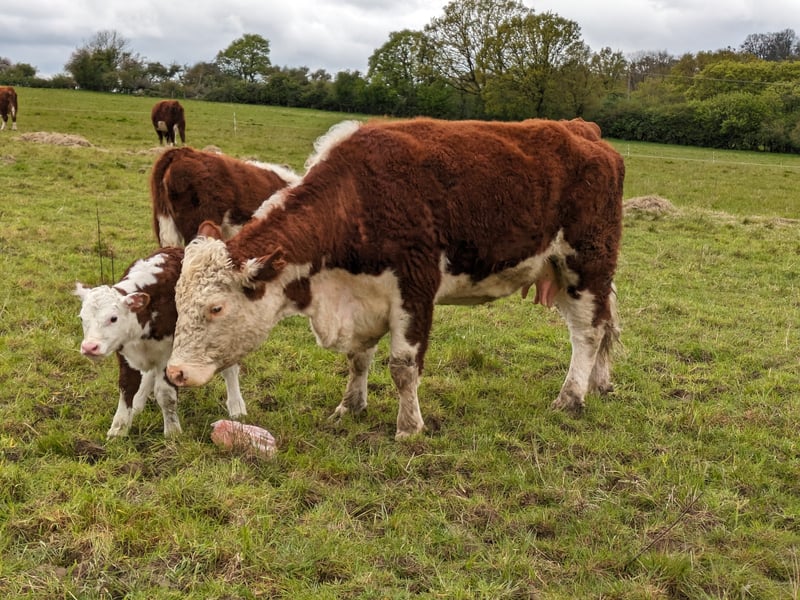
At Romshed Farm in Kent, cattle are moved daily using electric fencing to mirror natural grazing patterns. This approach improves soil health and animal welfare while cutting reliance on fertilisers and other expensive inputs.

As Clare Hill from Planton Farm explains, the economics start to look very different once you step away from industrial models. “We spend less on feed, fertiliser and medicine, and we produce something people are willing to pay more for,” she says.
For people buying food, this often means eating less meat overall, but choosing better quality when they do. By supporting farms that prioritise animal welfare and work with nature, it’s possible to protect animals and the environment without necessarily increasing household food bills.
With the right policies in place, including recognising the role animals can play in restoring nature, this kind of farming could become far more common. A food system that works for animals, farmers and the land is not a distant ideal. It is already happening, quietly, on farms across the UK.
Find out more about our Just Transition work
Call for an end to cruel factory farming
Sign our petition to the UK government and let them know that there is no future for factory farming.