Farming for the future where animals and nature can thrive
Blog
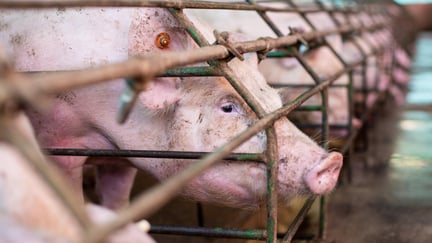
For most pigs in Britain, life is spent on concrete floors, behind metal bars and under artificial light. They are sentient, intelligent and social animals, but their lives are shaped around efficiency, not their needs.
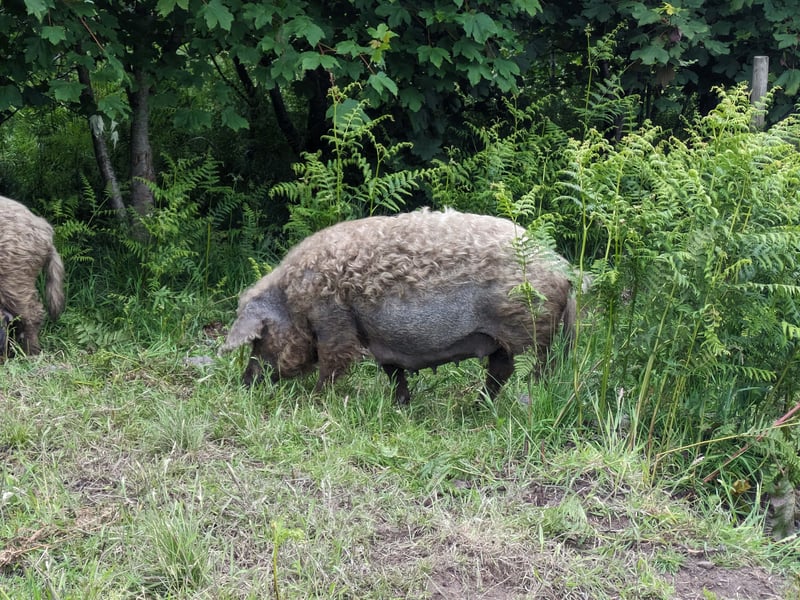
At Brodoclea Woodland Farm in Scotland, pigs live a very different life. They roam freely across 430 acres of woodland, moving through the trees, foraging for nuts and roots, wallowing in mud and building their own nests. They make choices about where to go, what to eat and how to behave. In short, they get to live like pigs.

Brodoclea is not a showpiece or a one-off experiment. It is a working farm, and it offers a clear example of how farming could work differently. Across the UK, a small but growing number of farmers are moving animals out of windowless barns and back into natural environments, where their welfare is not constantly compromised.
The benefits go beyond the animals themselves. At Brodoclea, pigs rarely need veterinary treatment. Their natural behaviour helps the land recover, too. As they root and turn the soil, they clear undergrowth and create space for birds, beetles and other wildlife. The pigs are part of the woodland system, not something that has to be controlled or contained.
The pigs are doing what they’ve evolved to do. They stay healthy because they can choose what to eat and how to live.
This kind of farming challenges the idea that animals are just production units. It treats them as sentient beings and shows that farming does not have to damage nature to feed people. In fact, it can support healthy ecosystems instead of degrading them.
It also isn’t as unrealistic as it might sound. With modest support of around £113 per acre, the welfare and environmental benefits seen on farms like Brodoclea could become far more common.
At a time when farming is under pressure from climate change, biodiversity loss and growing public concern about animal welfare, Brodoclea shows another path is possible. It proves that food can be produced in a way that respects animals and allows nature to recover.
A kinder, more sustainable food system already exists. The question is whether we choose to support it.
Read more about a Just Transition in UK farming
-
Plans to relax factory farm planning rules raise concerns
News
Reports that the UK government is considering relaxing planning rules for factory farms following industry lobbying are deeply...
-
The false divide between farming and rewilding explained
Blog
On the 18th of March the Government launched its Land Use Framework, reigniting debate about how Britain manages...
-
Bad news for chickens as companies drop Better Chicken...
Blog
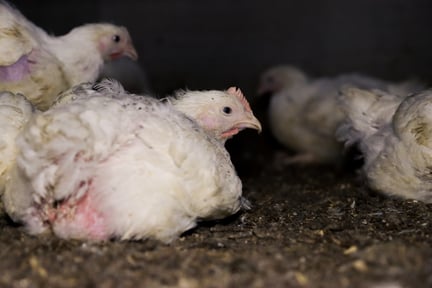
18 companies have dropped the Better Chicken Commitment, stepping back from key welfare standards for millions of chickens.