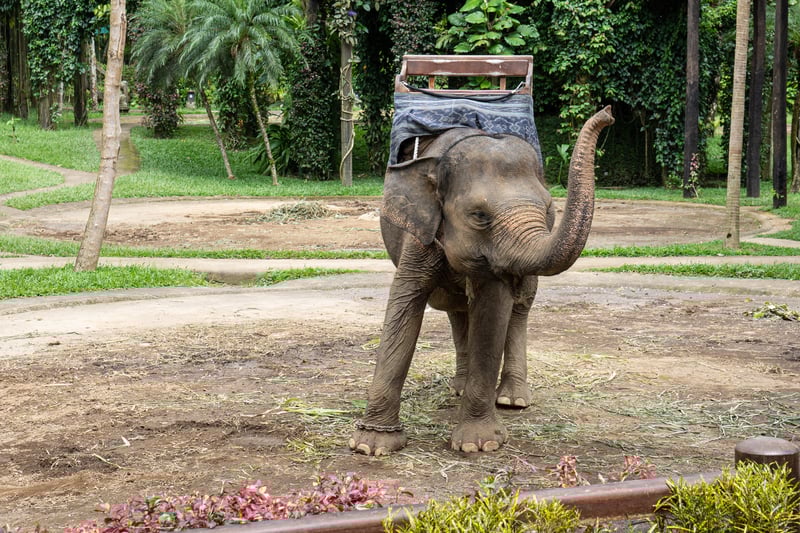
Indonesia signals end to elephant riding at tourist attractions
News
The Indonesian Government has issued a directive bringing an end to elephant riding across the country, including at popular tourist destinations such as Bali.
A nationwide shift away from cruel elephant rides
The decision is a huge step forward for animal welfare and indicates a shift towards more responsible wildlife tourism.
More than 100 captive elephants across Indonesia will no longer be used for rides, following years of campaigning by animal protection groups and growing public awareness of the cruelty involved. The directive took effect in December 2025 and applies to tourism attractions nationwide.
Several high-profile venues have already committed to ending elephant riding. Bali Zoo previously announced it would stop offering rides, and all five tourism venues housing elephants in Bali are expected to follow suit under the new government direction. This week, Mason Elephant Park also halted elephant riding after receiving two government warnings linked to its earlier refusal to move away from the practice.
Why elephant riding causes harm
Elephant riding is one of the cruellest forms of wildlife entertainment. To make elephants compliant enough to carry people, they are subjected to harsh training from a young age and kept under constant control. Many spend long periods chained or restrained with little opportunity to move freely, socialise naturally or behave as elephants should.
Research into elephant tourism shows that most elephants used for entertainment still live in poor or unacceptable conditions that involve confinement, control and ongoing stress.
Ending elephant riding removes one of the most damaging practices in wildlife tourism and helps shift the industry towards observation-only experiences, where elephants can live more naturally and without being forced to perform for people.

Image credit: Andito Wasi
Suzanne Milthorpe, head of campaigns for World Animal Protection ANZ, said:
"More great news for captive elephants in Indonesia as Mason Elephant Park has announced they will end elephant rides following the Indonesian Government banning elephant riding.
" We congratulate the Indonesian Government on taking this world-leading step to safeguarding the dignity of wild animals.
"In December 2025, the Indonesian Nature Conservation Agency called for respect for elephants and for tourism attractions to shift away from elephant riding.
"The ending of elephant rides in Indonesia sends a strong signal to the wider tourism industry that we're entering a new chapter of more responsible wildlife tourism.
"This wonderful win for elephants comes after years of tireless advocacy and on the ground engagement including the 10,000+ Indonesians, Australians and New Zealanders who signed our petition calling on Mason Elephant Park to end elephant riding."
A stepping stone for change in the tourism industry
The Indonesian Government’s decision shows the global tourism industry that elephant riding is not compatible with animal welfare. It follows growing momentum across the region, with zoos and other associations in Southeast Asia also calling on their members to phase out elephant riding and close contact activities.
However, it’s important that harmful practices aren’t simply replaced with new ones. Elephant bathing, feeding, circus-style shows and close-up encounters may look kinder, but they still involve control and restraint and continue to cause suffering.
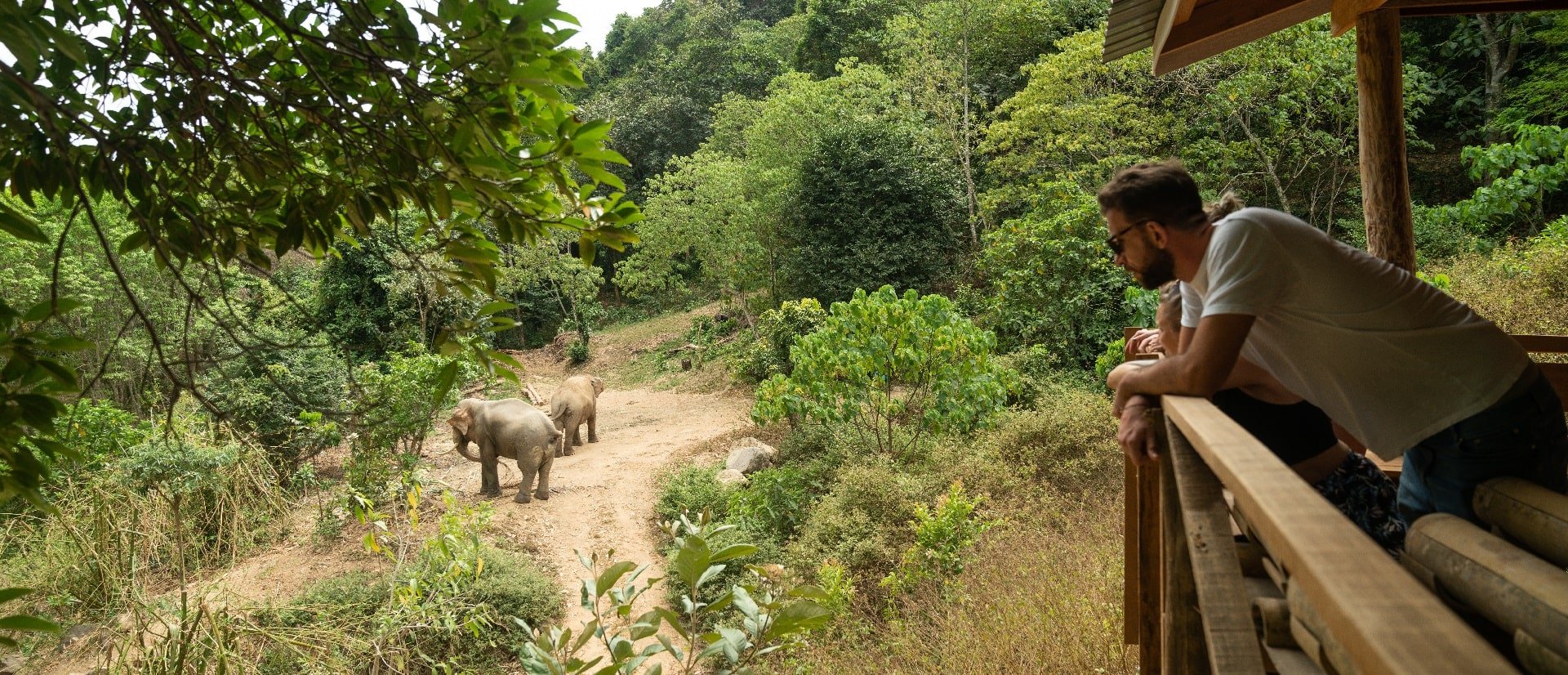
Image credit: World Animal Protection
What a welfare-first future for elephants looks like
A genuine welfare-first future for elephants means observation-only experiences, where animals are given space, autonomy and the opportunity to express natural behaviours. For most elephants currently held in captivity, release back into the wild is not possible, so a transition to high-welfare, observation-only venues is the best option.
Tourists advised to choose holiday activities carefully
Ending elephant riding in Indonesia is the result of years of pressure from animal protection groups, local advocates and thousands of people who spoke out against the way elephants have been treated for tourist entertainment. It also reflects a shift in how many travellers now want to experience wildlife, with growing numbers choosing options that don’t cause harm.
Indonesia welcomes millions of tourists every year, including large numbers from Australia, New Zealand and the UK. Holidaymakers must play their part and ask the right questions and to avoid venues that still profit from elephant exploitation. Choosing observation-only experiences and supporting travel companies that take animal welfare seriously makes a real difference.
The end of elephant riding in Indonesia shows that progress is possible. It’s a step towards a tourism industry that treats wildlife with respect, rather than using animals for entertainment.
Adopt an elephant today
Adopt an Animal
The decision is a huge step forward for animal welfare and marks a clear shift away from exploitative wildlife tourism practices.
Find out moreImage credits: Hero image is by Andito Wasi