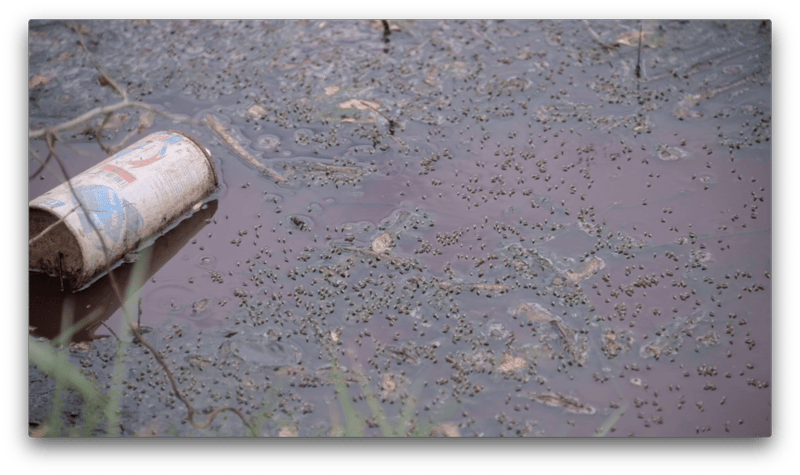
A new assessment has warned that the accelerating destruction of nature is no longer just an environmental issue, but a direct threat to the UK’s food security, economic stability and national resilience.
The report, produced for UK ministers, finds that the collapse of vital ecosystems could trigger global food shortages, rising prices, conflict and large-scale displacement of people. These impacts are already being felt through crop failures, more extreme weather events and the spread of infectious diseases, and are expected to intensify in the coming years.
Food systems are identified as particularly vulnerable. The report warns that without significant changes, the UK will struggle to compete with other nations for increasingly scarce resources if global ecosystems continue to degrade, leaving the country exposed to supply shocks, price volatility and geopolitical competition for food.
The growing risk of ecosystem collapse in regions that are critical to global food production and climate regulation is also highlighted. These include the Amazon and Congo rainforests, boreal forests, the Himalayas, and coral reefs and mangroves across south-east Asia. Damage to these systems would have far-reaching consequences, including reduced crop yields, fisheries collapse, water insecurity, the spread of new diseases and further acceleration of climate change.
Some ecosystems, like coral reefs and boreal forests, are expected to begin collapsing from around 2030, while others may reach tipping points by mid-century. Scientists have already raised concerns that parts of the Amazon rainforest may be approaching irreversible change faster than previously expected.
The UK’s food security is closely tied to these global risks. Heavy reliance on imported animal feed and food commodities leaves the country vulnerable to environmental shocks overseas, increasing the likelihood of disruption to affordable and reliable food supplies.
This warning comes as the UK government debates future spending on international climate and nature support, with concerns that funding commitments could be reduced as existing pledges come to an end. Experts have cautioned that stepping back from global efforts to protect nature would increase risks at home, not reduce them.
Domestic food systems need to be strengthened. A resilient food supply depends on healthy soils, functioning ecosystems and farming systems that work with nature rather than against it. Continuing to expand industrial animal farming, which relies heavily on imported soy feed and drives deforestation, undermines long-term food security and accelerates biodiversity loss.
Dr. Mark Borthwick, World Animal Protection UK, Farming Policy Manager, said,
The UK government must act now to halt the accelerating collapse of nature and the growing threat to food security caused by the expansion of factory farming. Most farmed animals in the UK are confined to industrial farms that undermine long-term food security, drive deforestation through heavy reliance on imported soy-based animal feed, and cause severe suffering.
Supporting farmers in a transition to nature-friendly farming is not optional. It is essential to safeguarding a sustainable, resilient, and secure UK food system. We urgently call on the UK government to shift support away from factory farming and towards a more resilient nature-friendly farming without delay. These systems allow all animals to forage on natural diets, reducing dependence on imported feed, improving animal welfare, and restoring the environment.
The report makes clear that biodiversity loss, climate breakdown and food insecurity are deeply interconnected. Protecting nature is not just about conservation, but about safeguarding the systems that underpin food production, livelihoods and social stability.
For the UK, this means supporting a just transition for farming. Farmers need long-term, reliable support to move away from industrial models and towards nature-friendly systems that restore ecosystems, improve animal welfare and strengthen food resilience. Without this shift, the risks outlined in the report will continue to grow.
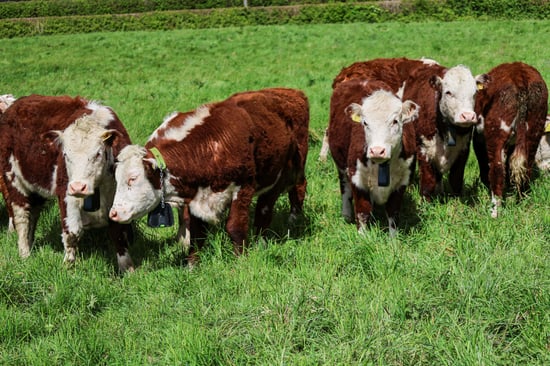
Find out more about a Just Transition in UK Farming
A Just Transition is not about less farming - it’s about better farming, where people, animals, and the planet thrive.
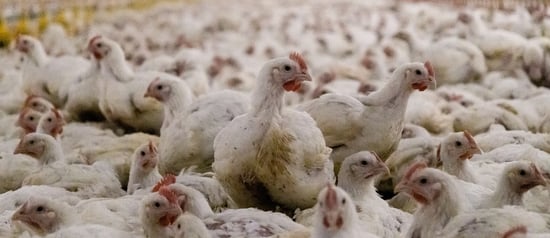
Call for an end to cruel factory farming
Sign our petition to the UK government and let them know that there is no future for factory farming.