UK Government’s new Animal Welfare Strategy – what’s included and what’s missing?
News
The government has published its long-awaited Animal Welfare Strategy, setting out plans that will affect millions of animals across farming, wildlife and pets.
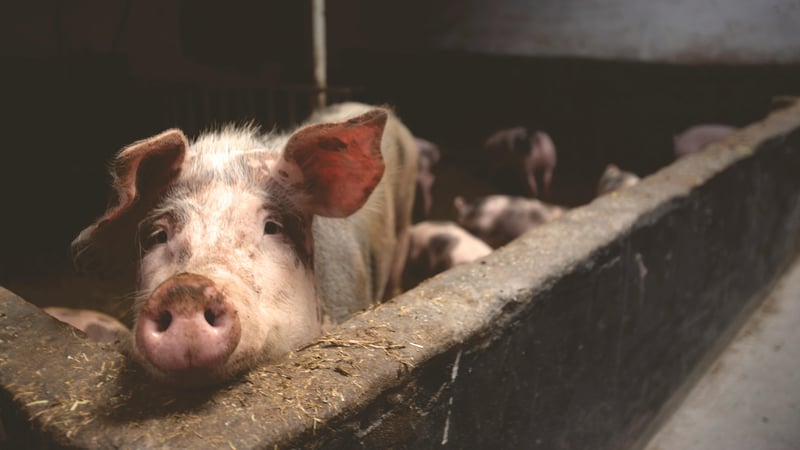
Published on 22 December, the strategy recognises animals as sentient beings and sets out some ambitious policies to raise welfare standards across England. These proposals include plans to phase out cages for laying hens, move away from farrowing crates for mother pigs, and introducing more humane slaughter requirements for farmed fish.
These steps matter. They reflect the public’s concern about how animals are treated and acknowledge that some current systems cause serious harm and suffering. For animals who have spent their lives confined in horrific conditions, unable to move freely or behave naturally, these changes could make a real difference.
Factory farming remains the biggest challenge
The strategy accepts that some of the worst practices in farming must change. However, to tackle them, the strategy should seek to halt the expansion of cruel factory farming and help deliver a just transition to an equitable, humane and sustainable food system that has good lives for farmed animals at its core.
Many of the proposals rely on consultation, voluntary commitments or long transition periods. When change is left to voluntary action, progress is slow and uneven. Farmers who invest in higher welfare systems that give animals more space, better care and a more natural life often end up at a disadvantage, while others continue business as usual. We now need clear leadership from the government, so that millions of animals don’t remain trapped in systems that cause unimaginable suffering and fuel wider climate, environmental and public health harm.
There are many encouraging signals in the strategy though, including recognition of the need to reduce confinement, address painful mutilations and improve breeding practices.
Wild animals
The strategy states that wild animals should experience good welfare and not be subjected to suffering. Some of the commitments include:
- A ban on trail hunting
- The end of the use of snare traps
- Fully implementing regulations for primates kept by private owners
These proposals are definitely welcome, but there are some serious omissions and others lacking some detail.
There is no commitment to ban trophy hunting imports, despite strong public opposition and clear evidence that trophy hunting does not benefit wildlife or local communities. The government have assured us they remain committed to a ban, but there’s no timeline on when this will happen. The strategy also doesn’t explain how and when the Animals (Low-Welfare Activities Abroad) Act will finally be enforced, more than two years after it became law. UK travel companies can continue to promote and profit from cruel wildlife attractions overseas without clear regulations.
Wild animals also continue to suffer in the UK pet trade. The problem is not whether these animals are cared for “well enough”. Wild animals belong in the wild, not in homes where their complex physical and psychological needs cannot be met.
A starting point but more to do
The Animal Welfare Strategy includes measures that could make life better for millions of animals, and it recognises that change is needed. This is really positive, but we need to see the policies implemented and improving the lives of animals soon. Animals will continue to suffer without firm timelines, enforcement and a plan to move away from systems that put profit before everything else.
This strategy could be the start of that journey. What matters now is whether it leads to real action.
Become part of the community
Join thousands of animal lovers fighting to protect wildlife and give farmed animals good lives. Sign up now for emails with ways you can help.
Sign up now