The animals and plants that carry David Attenborough’s name and what they tell us about our world
Blog
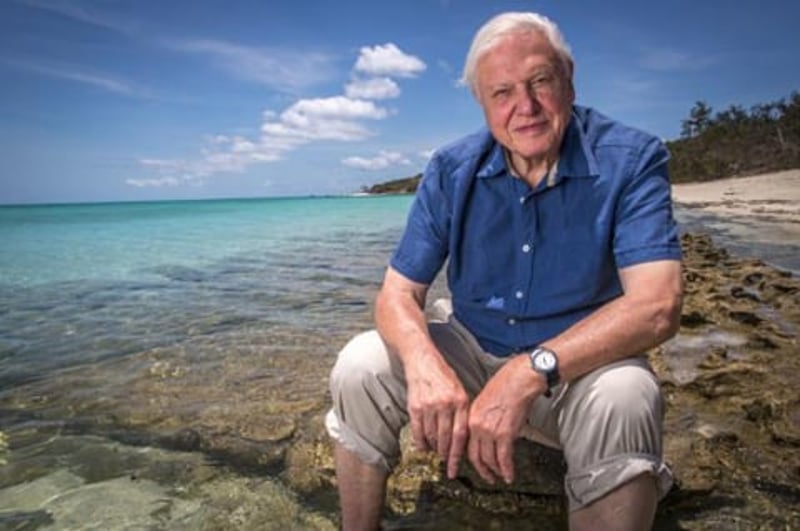
David Attenborough has spent a lifetime bringing the natural world into our homes. From the deepest oceans to the densest forests, his work has helped millions of people understand and care about animals they may never see in real life.
Over the years, scientists have named newly discovered species after him in recognition of his contribution to natural history.
As he turns 100, these species offer a way to reflect not just on his legacy, but on the growing pressures facing wildlife today.
Why are animals and plants named after people?
Naming a species after someone is a long-standing scientific tradition. It is often used to recognise people who have made a significant contribution to science, discovery or conservation.
In this case, it reflects decades of work raising awareness of wildlife and the threats animals face.
Animals named after David Attenborough
Attenborough’s long-beaked echidna (Zaglossus attenboroughi)
One of the world’s few egg-laying mammals, this species is native to Indonesia and is rarely seen. For years, scientists feared it might be extinct.
Its forest habitat is under pressure from deforestation and human activity.
Attenborough’s pitcher plant (Nepenthes attenboroughii)
Discovered in the Philippines, this carnivorous plant traps insects inside deep, fluid-filled pitchers.
It grows in a very limited area, making it especially vulnerable to habitat loss and climate change.
Materpiscis (Materpiscis attenboroughi)
This extinct fish, discovered in Australia, provided the earliest known evidence of live birth in vertebrates.
It offers insight into how life on Earth has evolved over time.
Attenborosaurus (Attenborosaurus conybeari)
A prehistoric marine reptile named in honour of Attenborough’s contribution to natural history broadcasting.
Fossils like this help us understand how ecosystems have changed across millions of years.
Attenborough’s butterfly (Euptychia attenboroughi)
Found in tropical forests, this butterfly depends on stable, healthy habitats to survive.
Deforestation continues to threaten species like this around the world.
Attenborough’s goblin spider (Prethopalpus attenboroughi)
This tiny spider lives in leaf litter, playing a small but important role in its ecosystem.
Many invertebrates like this are overlooked, despite being essential to healthy environments.
Attenborough’s ghost shrimp (Ctenocheloides attenboroughi)
A deep-sea species that highlights how little we still know about life in our oceans.
These fragile ecosystems are increasingly under threat from human activity.
Attenborough’s wolf spider (Lycosa attenboroughi)
Spiders like this help control insect populations and maintain ecological balance.
Yet many species face habitat loss and environmental change.
Attenborough’s weevil (Trigonopterus attenboroughi)
This small beetle is part of a highly diverse group of insects.
Insects are vital for ecosystems, but many populations are declining at an alarming rate.
Attenborough’s flatworm (Pseudoceros attenboroughi)
A brightly coloured marine flatworm found in coral reef environments.
Coral reefs are among the most threatened ecosystems on Earth due to warming oceans and pollution.
What do these species tell us?
Many of the species named after David Attenborough are rare, highly specialised, or found in fragile environments.
Scientists are still discovering new species every year. But many are already under threat from habitat destruction, climate change and exploitation.
Why protecting wildlife matters more than ever
David Attenborough’s work has shown us the beauty of the natural world but has also made it clear how quickly it is changing.
Protecting animals means protecting the ecosystems we all depend on. From forests to oceans, the choices we make today will shape the future for wildlife.
A legacy that continues
As David Attenborough turns 100, the species named after him are a reminder of both the wonder of the natural world and how much is at risk.
Around the world, animals are losing their habitats to deforestation, factory farming, pollution and climate change. Many species are disappearing before we even fully understand them.
But change is possible. It's not too late.
By speaking up for animals, supporting conservation efforts and pushing for stronger protection for wildlife and habitats, we can help create a future where animals are able to thrive in the wild.
If you believe animals deserve a better future, please consider supporting our work to protect wildlife and end the systems that are driving nature’s destruction.
Support our work and help animals around the world
From the moment they’re born, billions of animals face a lifetime of cruelty and suffering at the hands of humans.
Donate nowImage credit: Hero image by DFAT Australia / CC BY 4.0